Implementation of National Target Program for 2026–2030: Building foundation for sustainable rural development
- Date modified:11:34, 17/9/2026
Six months after the launch of the 2026–2035 National Target Program (Phase I: 2026–2030) on new-style rural development, sustainable poverty reduction, and socio-economic development in ethnic minority and mountainous areas, the Ministry of Agriculture and Environment, together with relevant ministries, sectors and localities, has largely completed the institutional, organizational and financial groundwork. The progress provides a solid foundation for the Program to move from the preparation phase to full-scale implementation at the grassroots level.
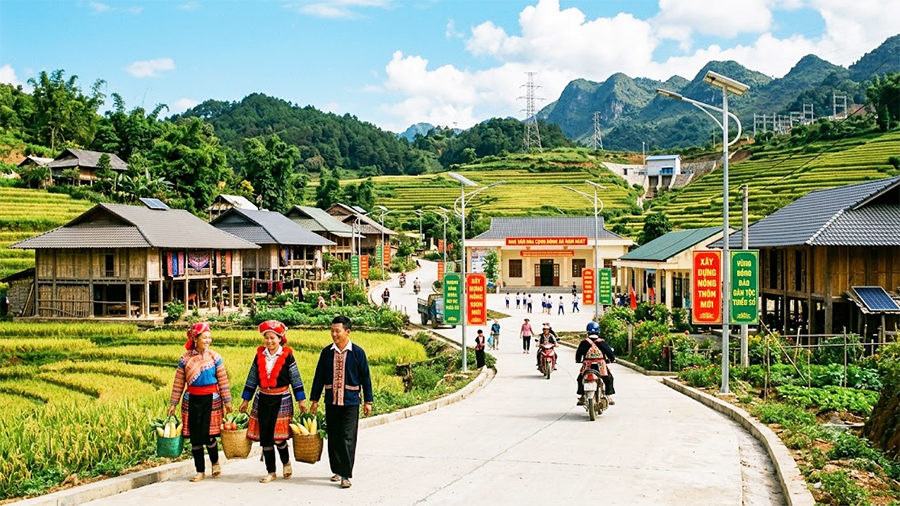
Stronger decentralization to enhance implementation
According to the Ministry of Agriculture and Environment, the Program aims to build modern rural areas while promoting a green, circular and ecological rural economy. It also seeks to reduce multidimensional poverty and foster comprehensive development in ethnic minority and mountainous regions, thereby narrowing development gaps across the country.
By 2030, the Program targets raising average rural incomes to 2.5–3 times the 2020 level, reducing the multidimensional poverty rate in ethnic minority and mountainous areas to below 10 percent, ensuring that around 65 percent of communes meet new-style rural standards, and enabling five provinces and centrally governed cities to complete their new-style rural development goals.
The State budget allocated to the Program for 2026–2030 is estimated at VND 423 trillion, including VND 100 trillion from the central budget, around VND300 trillion from local budgets and approximately VND 23 trillion in policy credit.
The Program comprises two components. The first, implemented nationwide, focuses on rural infrastructure, economic development, education, healthcare, culture, environmental protection and digital transformation. The second targets ethnic minority and mountainous areas through dedicated policies on infrastructure, residential and production land, clean water, livelihood development and cultural preservation.
A key feature of the new phase is greater decentralization under the principle of "Localities decide – Localities implement – Localities take responsibility." Performance will be measured primarily by tangible outcomes and improvements in people's living standards, rather than by input indicators.
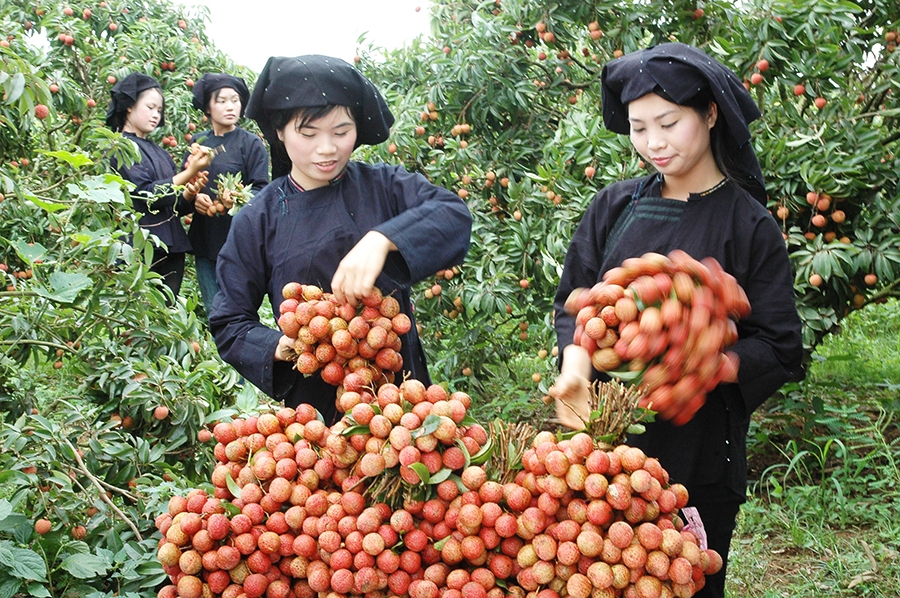
Institutional framework completed as funding allocation advances
By the end of June 2026, the Ministry of Agriculture and Environment, in coordination with relevant ministries and agencies, had issued 54 implementation guidelines, one month ahead of the Government's schedule. It also published a practical implementation handbook and organized eight training courses for approximately 12,000 officials nationwide.
At the local level, 31 of the country's 34 provinces and centrally governed cities have completed the classification of commune groups, 17 localities have promulgated implementation plans, and 23 provinces and cities have established provincial steering committees.
The Ministry has also finalized a proposal to allocate VND 70 trillion in medium-term public investment capital for 2026–2030 and submitted a plan to distribute VND 9 trillion from the central budget for the Program in 2026.
However, the disbursement of carry-over funds from the 2021–2025 period remains slow, while several localities have yet to finalize implementation plans, consolidate organizational structures or complete investment procedures.
Removing bottlenecks to accelerate implementation
In the coming period, the Program will translate its 2030 objectives into detailed five-year and annual implementation plans while further strengthening decentralization and accountability. Priority resources will continue to be directed toward ethnic minority and mountainous areas, disadvantaged communes, border regions and island communities.
The Program will also promote green and circular rural economic development by supporting OCOP (One Commune One Product) products, traditional craft villages, rural tourism, digital transformation and improvements in rural living standards.
Meanwhile, the Ministry will continue strengthening the capacity of local officials, improving information systems and databases, modernizing monitoring and evaluation mechanisms, and reinforcing oversight of public investment to ensure efficiency while preventing waste and losses.
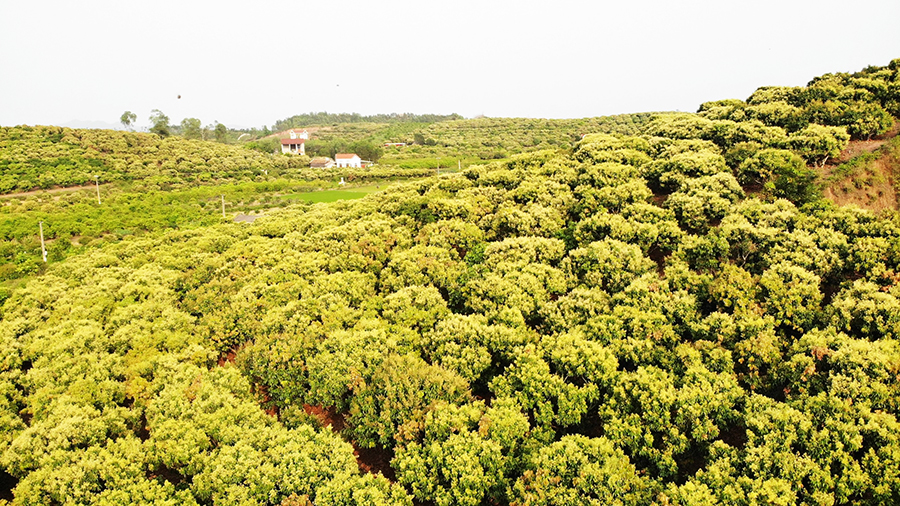
During the second half of 2026, the focus will be on rolling out the Program comprehensively at the grassroots level, addressing delays in issuing implementation documents, allocating capital and disbursing funds, with the goal of fulfilling all planned targets and budget objectives for the year.
Central ministries and agencies will continue to promptly resolve implementation bottlenecks, finalize capital allocation plans and provide guidance to localities, while increasing inspections in areas with slow progress. Local authorities have been urged to promptly establish steering committees, complete five-year implementation plans, allocate funding in detail, review ongoing projects, accelerate investment procedures and land clearance, improve disbursement rates, and strengthen on-site supervision, with greater accountability placed on local leaders.
With its institutional foundation now largely in place and a comprehensive set of implementation measures underway, the 2026–2030 National Target Program is expected to drive significant progress in new-style rural development, sustainable poverty reduction and socio-economic advancement in ethnic minority and mountainous areas, contributing to higher living standards and more modern, green and sustainable rural development.
P.H
